Repiping a house is one of the most important plumbing upgrades a homeowner can make, especially when dealing with old, corroded, or leaking pipes. Over time, plumbing systems naturally deteriorate due to rust, mineral buildup, water pressure changes, and general wear and tear. When this happens, repiping becomes necessary to restore proper water flow, improve water quality, and prevent costly water damage.
One of the most common questions homeowners ask is: how long does it take to repipe a house? The answer depends on several factors, including the size of the home, the condition of the existing plumbing system, and the type of piping material used. In this article, we will break down the complete timeline, step-by-step process, and what you should expect during a whole house repiping project.
What Is Whole House Repiping?
Whole house repiping is the process of replacing all the water supply pipes in a home. This usually involves removing or bypassing old plumbing lines made of materials such as galvanized steel, copper, or polybutylene, and replacing them with modern piping systems like PEX or copper.
The goal is to install a completely new plumbing system that is more reliable, durable, and efficient. Unlike small plumbing repairs, repiping is a full replacement of your home’s water distribution network.
How Long Does It Take to Repipe a House?
On average, repiping a house takes between 1 and 5 days for most residential properties. However, the exact timeline can vary depending on several important factors.
Small Homes or Apartments (1–2 Days)
Smaller homes with simple plumbing layouts can often be repiped within one or two days. These properties typically have fewer bathrooms and shorter pipe runs, making the process faster.
Medium-Sized Homes (2–4 Days)
Most standard single-family homes fall into this category. With multiple bathrooms, kitchens, and appliances, these homes usually require a few days to complete.
Large Homes (4–7 Days or More)
Larger homes with complex plumbing systems, multiple floors, or slab foundations may take a full week or longer to complete.
Factors That Affect Repiping Time
Several key factors determine how long a repiping project will take:
1. Home Size and Layout
The larger the home and the more complex the layout, the longer the project will take. Multi-story homes require more time due to additional piping routes and access challenges.
2. Type of Piping Material
The type of material used plays an important role in installation speed:
- PEX piping is flexible, easier to install, and requires fewer connections, making the process faster.
- Copper piping is more durable but requires soldering, which takes more time and skill.
Because of its flexibility, PEX is generally faster to install and can reduce the total project duration.
3. Pipe Accessibility
If pipes are located in easily accessible areas such as attics or crawl spaces, the job is quicker. However, if pipes are hidden inside walls or under concrete slabs, additional time is needed to access and replace them.
4. Number of Fixtures
Homes with more bathrooms, sinks, showers, washing machines, and water heaters require more connections, which increases installation time.
5. Permits and Inspections
Most areas require plumbing permits and inspections for repiping work. Waiting for inspections or approvals can add extra time to the project timeline.
Step-by-Step Repiping Process
Understanding the repiping process helps homeowners know what to expect during each stage of the project.
Step 1: Inspection and Planning
A professional plumber inspects the home’s existing plumbing system to assess its condition. They identify problem areas and create a detailed repiping plan.
Step 2: Home Preparation
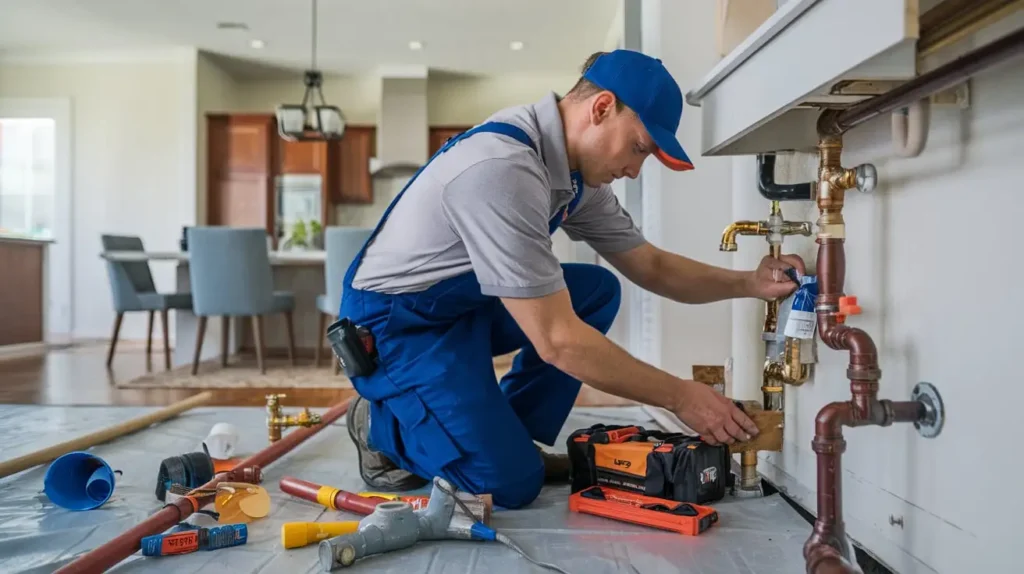
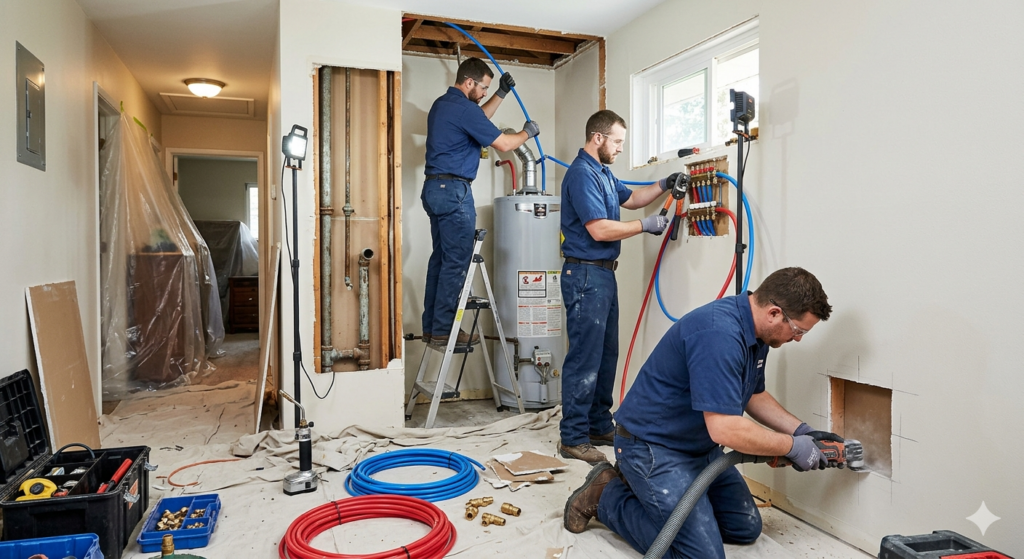
Before work begins, the contractor protects floors, furniture, and belongings. Small access holes may be created in walls or ceilings to reach existing pipes.
Step 3: Deactivating or Bypassing Old Pipes
In most cases, old pipes are left in place and bypassed. This reduces demolition work and speeds up the project.
Step 4: Installing New Pipes
This is the main phase of the project. New PEX or copper pipes are installed throughout the home, replacing the old water supply lines.
Step 5: Connecting Fixtures
Once the new piping system is installed, plumbers reconnect all fixtures, including sinks, toilets, showers, dishwashers, and water heaters.
Step 6: System Testing
The entire plumbing system is tested for leaks, proper water pressure, and overall performance to ensure everything is functioning correctly.
Step 7: Drywall Repair and Cleanup
After installation, any access points in walls or ceilings are repaired. The home is cleaned and restored to its original condition as much as possible.
What to Expect During a Repiping Project
Repiping is a major home improvement project, so homeowners should be prepared for some temporary inconvenience.
Temporary Water Shutoffs
Water may be turned off during certain stages of the project. However, most contractors restore water at the end of each working day when possible.
Noise and Dust
Some noise from drilling and cutting is normal. Dust may also be present when creating access points in walls.
Limited Access to Certain Areas
Depending on the stage of work, some bathrooms or kitchen areas may be temporarily unavailable.
Fast Completion Time
Despite the scale of the project, most homes are fully repiped within a few days, minimizing long-term disruption.
Benefits of Repiping a Home
Although repiping requires an investment, it provides long-term benefits that significantly improve your home’s plumbing system:
- Better water pressure throughout the home
- Cleaner and safer drinking water
- Reduced risk of leaks and water damage
- Fewer emergency plumbing repairs
- Increased property value
- Long-lasting plumbing system (often 20–50 years depending on material)
Is Repiping Worth It?
Yes, repiping is worth it for most homes with aging plumbing systems. If you are experiencing frequent leaks, rusty or discolored water, or low water pressure, repiping is often the most effective long-term solution.
Instead of repeatedly repairing small sections of damaged pipes, a full repiping system eliminates the underlying problem and provides a permanent upgrade.
Final Thoughts
So, how long does it take to repipe a house? In most cases, the process takes between 1 and 5 days, depending on the size and complexity of the home. While it may seem like a large project, it is typically completed quickly and provides long-term benefits for homeowners.
If your home shows signs of aging or failing pipes, scheduling a professional plumbing inspection is the first step toward improving your home’s water system and preventing future damage.