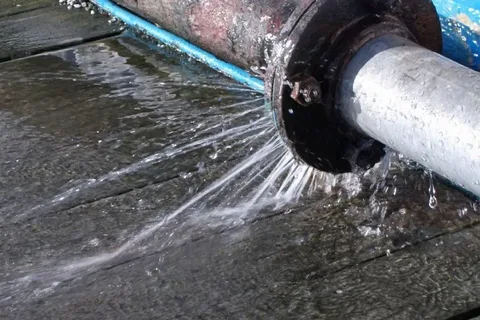
Water leaks in a home are often silent, slow, and costly. While some plumbing issues are obvious, such as a dripping faucet or a burst pipe, many leaks go unnoticed for weeks or months. Hidden water leaks can cause serious damage to your walls, floors, and foundation, promote mold growth, and increase your water bills significantly.
Detecting these leaks early is essential to protect your home, save money, and avoid major repairs. In this guide, we’ll walk you through the common signs of hidden water leaks, how to detect them, and the steps to take before the problem escalates.
Why Hidden Water Leaks Are Dangerous
Hidden water leaks are particularly dangerous because they often go unnoticed until they cause visible damage. Over time, even a small leak can saturate structural materials like drywall, wood, and insulation. This moisture creates an ideal environment for mold and mildew, which can harm your family’s health and compromise your home’s structure.
Leaks under floors or behind walls are also difficult to access, making repair costs higher if left unattended. The longer a leak goes undetected, the more extensive the damage and the more expensive the repair.
Common Causes of Hidden Water Leaks
Hidden water leaks can occur for various reasons:
1. Aging or Corroded Pipes
Over time, pipes made of galvanized steel, copper, or PVC can corrode, crack, or develop weak joints. These small leaks often start inside walls or beneath floors, making them hard to spot.
2. Faulty Plumbing Fixtures
Leaking faucets, showerheads, or toilet valves can create water damage in unseen areas. Even slow drips can lead to moisture buildup over time.
3. Slab Foundation Plumbing
Homes built on slab foundations often have water lines running beneath the concrete. Any leaks in these pipes can go unnoticed for long periods, sometimes only detected by wet spots on floors or unexpectedly high water bills.
4. Hidden Roof or Appliance Leaks
Leaky roofs, washing machines, or water heaters may create hidden water damage in walls, ceilings, or cabinets.
Signs You Might Have a Hidden Water Leak
Even if you don’t see water pooling, there are warning signs of hidden leaks:
Unusually High Water Bills
One of the first indicators of a hidden leak is a sudden increase in your water bill. If usage seems abnormally high without a change in lifestyle, a leak could be the culprit.
Damp or Discolored Walls and Ceilings
Water stains, discoloration, or bubbling paint on walls and ceilings often signal a leak behind the surface.
Musty Odors or Mold Growth
A persistent musty smell or visible mold growth indicates moisture accumulation. Even small leaks can create enough humidity for mold to thrive.
Sounds of Running Water
Hearing water running when no faucets are on can be a sign of a hidden leak somewhere in the plumbing system.
Sagging Floors or Soft Spots
Water accumulating under floors can cause sagging or soft spots. Walking over these areas may feel uneven or spongy.
Dripping Sounds in Slab Foundations
Homes with slab foundations may experience leaks under concrete floors. In some cases, you might hear a dripping sound, or the floor might feel unusually warm if the water is coming from hot water lines.
How to Detect Hidden Water Leaks
1. Check Your Water Meter
One of the easiest ways to detect hidden leaks is by using your water meter:
- Turn off all water in the house.
- Record the reading on your meter.
- Wait a few hours without using any water.
- Check the meter again. If the reading has changed, water is escaping somewhere in your system.
2. Inspect Appliances and Fixtures
Look for leaks around water heaters, washing machines, dishwashers, toilets, and under sinks. Even minor drips can indicate a larger problem.
3. Look for Signs on Floors and Walls
Check for water stains, warped flooring, or soft spots in high-risk areas like bathrooms, kitchens, and laundry rooms. Pay attention to ceilings and walls for discoloration or peeling paint.
4. Use Moisture Detectors or Infrared Cameras
Modern technology allows homeowners and professionals to detect hidden leaks with moisture sensors or infrared cameras. These devices can identify wet areas behind walls or under floors without destructive inspection.
5. Hire a Professional Plumbing Inspection
If you suspect a leak but can’t find it, a licensed plumber can perform a thorough inspection. Professionals have tools like pipe cameras, acoustic leak detection, and thermal imaging to locate leaks accurately.
Preventing Hidden Water Leaks
While not all leaks can be prevented, taking proactive steps reduces the risk:
- Schedule regular plumbing inspections: A yearly checkup can identify early signs of corrosion, pipe damage, or appliance leaks.
- Monitor your water usage: Keep an eye on monthly water bills for unexpected increases.
- Maintain appliances and fixtures: Replace worn washers, valves, or old appliances to prevent leaks.
- Ensure proper drainage: Gutters, downspouts, and grading should direct water away from the foundation.
- Install leak detection devices: Smart water sensors alert you to leaks early, helping avoid significant damage.
When to Call a Professional
Hidden water leaks can escalate quickly. If you notice any of the following, it’s time to contact a licensed plumber immediately:
- Unexplained increase in water bills
- Persistent damp odors or visible mold
- Soft or sagging floors
- Water pooling near foundation or appliances
- Cracks in walls, ceilings, or floors
Early intervention can save thousands in repair costs and prevent structural or health issues in your home.
Conclusion
Detecting a hidden water leak early is crucial to protecting your home and avoiding costly damage. By monitoring water usage, inspecting walls and floors, listening for unusual sounds, and using modern leak detection tools, homeowners can catch leaks before they become serious problems.
Regular maintenance, timely repairs, and professional inspections are key to keeping your plumbing system safe, efficient, and leak-free. Don’t wait until a hidden leak causes extensive damage—take proactive steps to protect your home today.